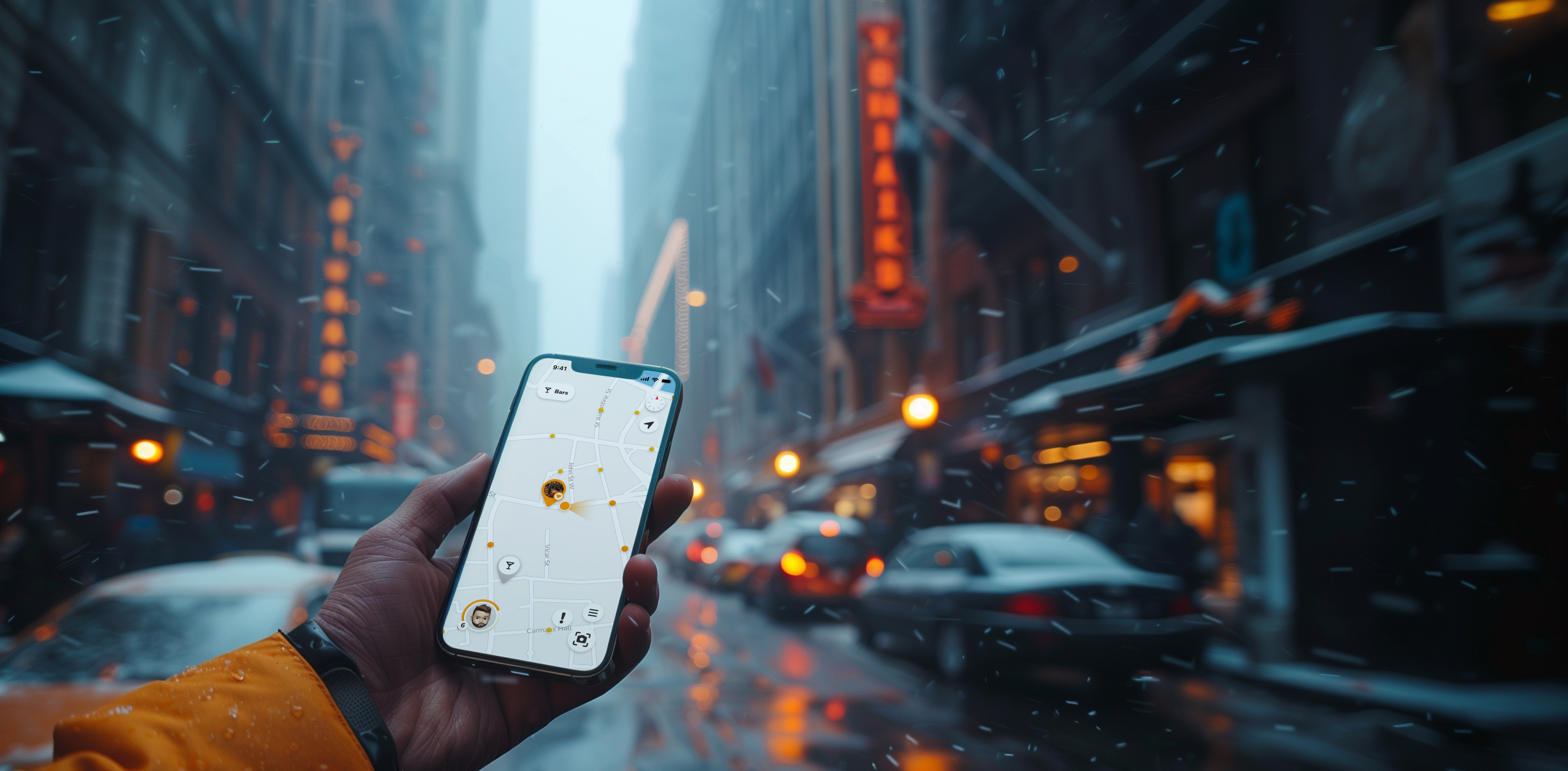
In 2022, I moved to Dublin to study Interaction Design. Having never been there before, I didn't know where to go, what to see, or what to do. So, as simple as it sounds, I just started walking around. And somewhere between getting lost in Temple Bar and accidentally finding the best coffee shop I've ever been to, I had an idea.
I wanted to build something that gives people that feeling on purpose. Not another app that tells you where to go or what the coolest brunch-spots are right now, but one that makes you want to find out for yourself. What does 'cool' even mean to you, personally? Something that turns the overwhelming "I'm in a new city and have no plan" into an actual adventure and the hour-long Google Maps scrolling into genuine and long lasting memories.
This became my MA thesis project at NCAD Dublin.

As with most projects before, I started with a survey. Back then, I was living in a student accommodation with people from all over the world, 11 different countries, ages ranging from 17 up to 75. A perfect sample size. I put together a questionnaire about travel habits, how people plan trips, what frustrates them, and what they wish existed.
Around 60 people responded.
The answers were... kind of what you'd expect? Most people said they don't want the typical tourist experience. They want something more personal, more unique, less mainstream. And if there was one thing almost everyone mentioned, it was some sort of map. Something to quickly get a sense of what's around you.
Fair enough. But reading through all these responses, I realised they were circling the same few ideas in slightly different words. Surveys are good at confirming assumptions. I needed something that would actually surprise me.
So, I packed up and went on a trip. Three cities, one full day each. Hamburg, Brussels, Manchester. The last two I'd actually never been to before, so I'd be starting from the same place as my users.
Technically a city I know, but I hadn't been to in a while and I was looking at it through a completely different lens this time. My immediate instinct: open Google Maps, find breakfast. Google's yellow cluster markers give you a decent overview of where to find what, but I caught myself scrolling through options for way too long before I'd even left the apartment. That's exactly the opposite of what I want to happen.
How might we…
get people to stop scrolling and start exploring outside?
After finally deciding on a place, I spent most of the day walking around. At some point I wanted to find some nice spots for photos, maybe a park or a quiet street with interesting architecture. But every navigation app just wants to get you from A to B as fast as possible. I ended up on a main road next to traffic when there was probably a beautiful side street two blocks over. Nobody's really optimising for "the more scenic route."
How might we…
recommend more interesting routes over faster ones?
Getting around Hamburg I used the local HVV public transportation app, which was actually quite nice. It recommended connections, sold the tickets in-app, and was easy to use. But it immediately made me wonder: this works here, what about everywhere else? Every city has its own transport app with its own quirks. If I'm designing something that's supposed to work across cities, how do I deal with that?
How might we…
account for transportation and routing across different cities?
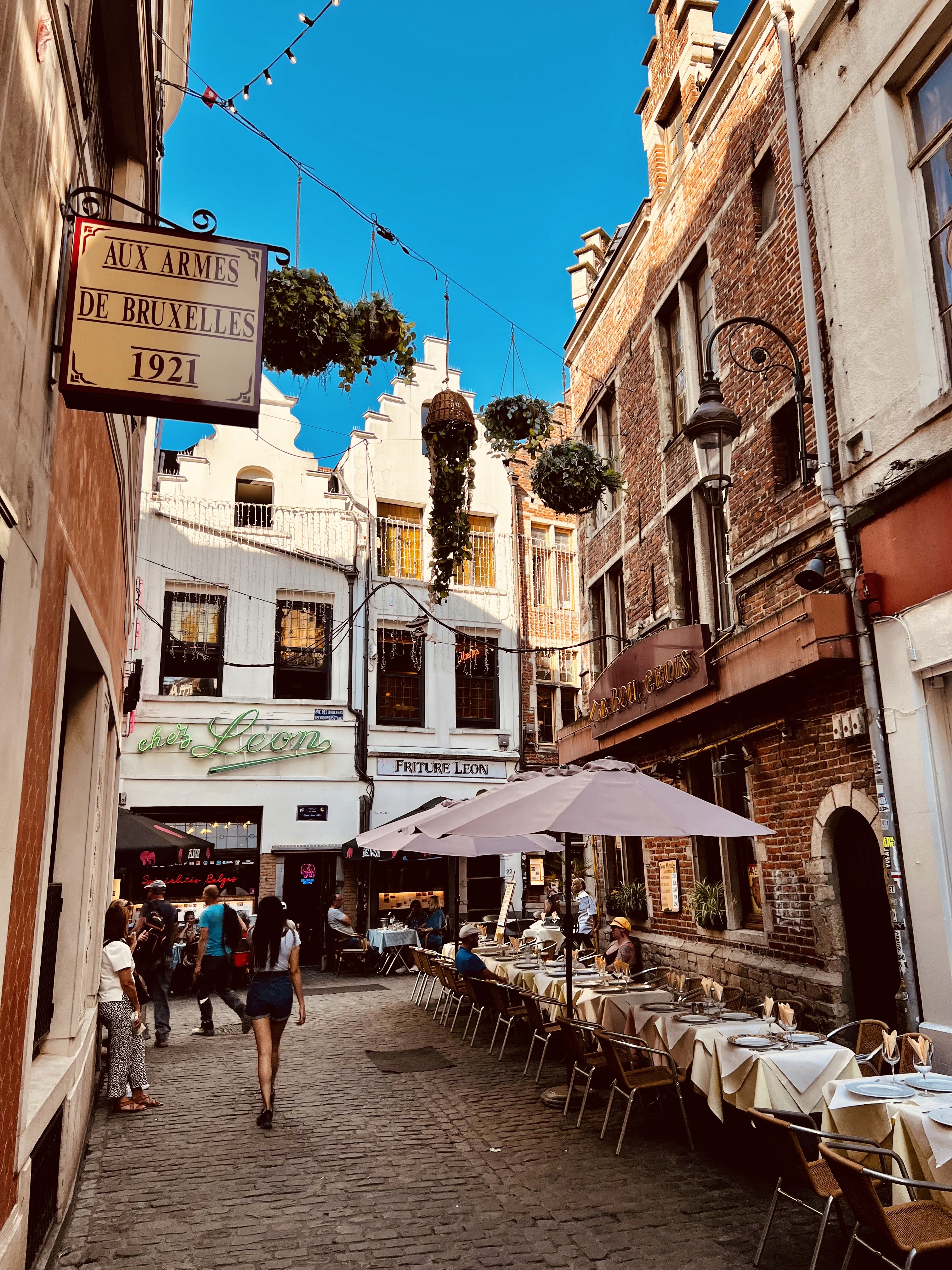
My very first time in Brussels. I arrived in the evening and (first things first) went out to grab a beer at a nearby bar. I had some nice chats with locals, which was great, but it would have been nice to also connect with other travellers. People in the same situation as me, exploring a city they don't know yet.
How might we…
help travellers meet and connect with each other?
The next day, I decided to try something different and use AI to plan the whole day. Could something like ChatGPT handle the messy, personal nature of exploring a city? I started by having it ask me 20 questions about my preferences, what I like, what I avoid, how I usually spend time in new places. Then I let it build an itinerary from that. It went fine. It knew what I said I liked, but the recommendations still felt generic. Some places were outdated, some had wrong opening hours, and the whole plan fell apart the moment I didn't feel like following it anymore. The real problem wasn't that it didn't know my preferences. It's that city trips are inherently unplanned. You walk past something that looks interesting and you want to go there instead. A fixed itinerary, no matter how personalised, fights against that.
How might we…
suggest different plans for different interests, with optional rather than fixed recommendations?
All over the city I kept noticing stuff that wasn't marked on the map, but piqued my interest nonetheless. Things that catch your eye when you're actually paying attention. "What's this statue about?" "That's a weird looking building." Impressions and questions that only arise when you look up from your phone.
How might we…
give users information about interesting things along their way?
Also: if people miss these things because they're looking at their screen, then maybe the app shouldn't be something you stare at? Maybe the most valuable thing it could do is give you a reason to put your phone away and actually look around, and then reward you for doing exactly that.
How might we…
encourage real-world attention instead of screen time?
Manchester was the final stop on my trip. I'd been walking all day across Hamburg and Brussels at this point, so I had a decent feel for the kinds of problems that kept coming up. This time I was paying more attention to how I moved through a city over the course of a full day. After a few hours of wandering I realised I was starting to lose track of what areas I'd already seen. It reminded me of the 'Fog of War' in strategy games, where the map is hidden until you physically explore it. That's basically what I wanted: an overview of where I've been, so I can decide to take different turns and find streets I haven't walked yet.
How might we…
help users keep track of where they've been and what they haven't explored yet?
Once I started thinking along those lines, the gamification angle clicked. Rewarding people for exploring new streets could actually drive the kind of behaviour I was designing for. But then again, I'd inevitably walked some of the same streets twice, and it felt like dead time. At least I was getting my steps in, but it would be nice if that counted for something too.
How might we…
make every trip outside feel worthwhile, even when you're retracing your steps?
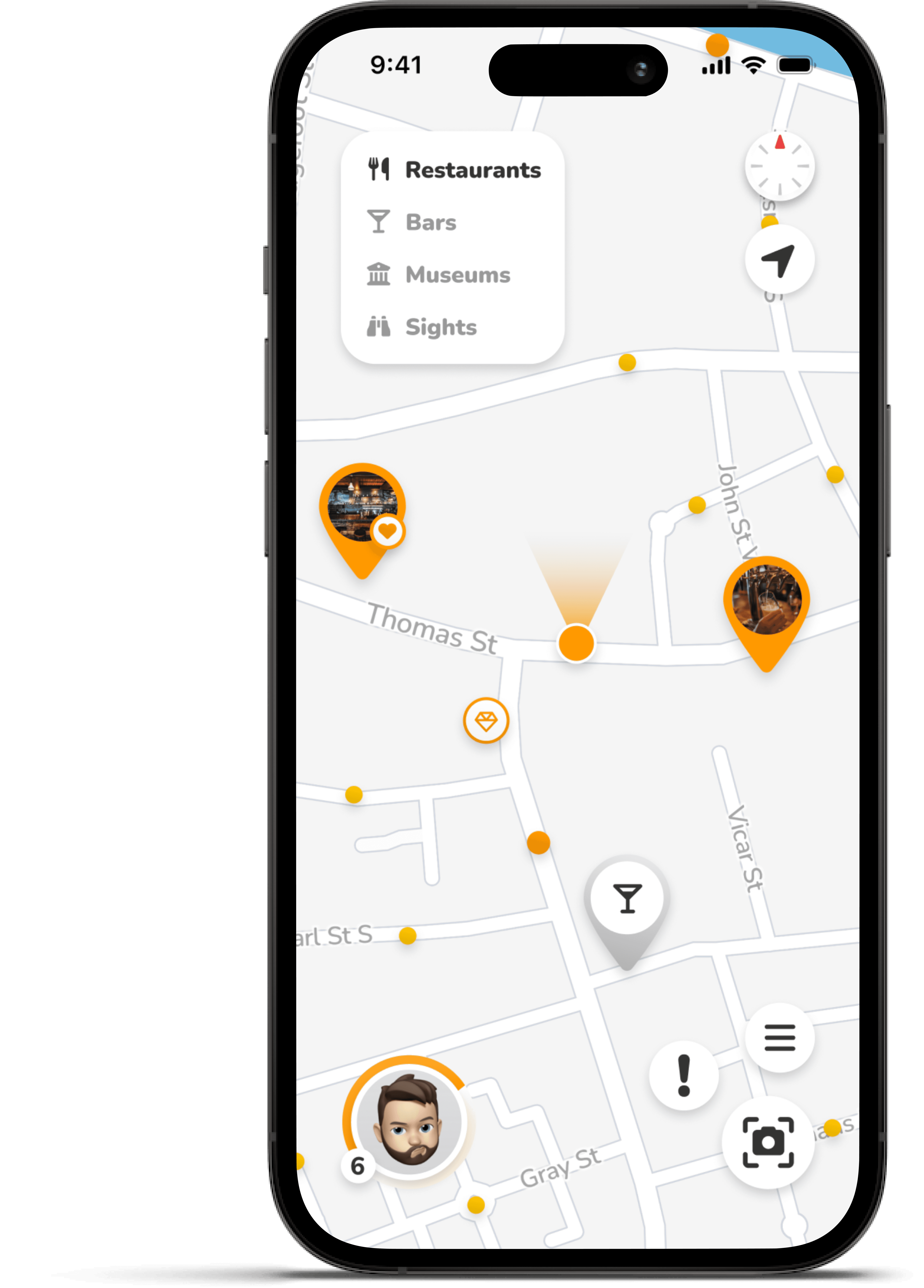
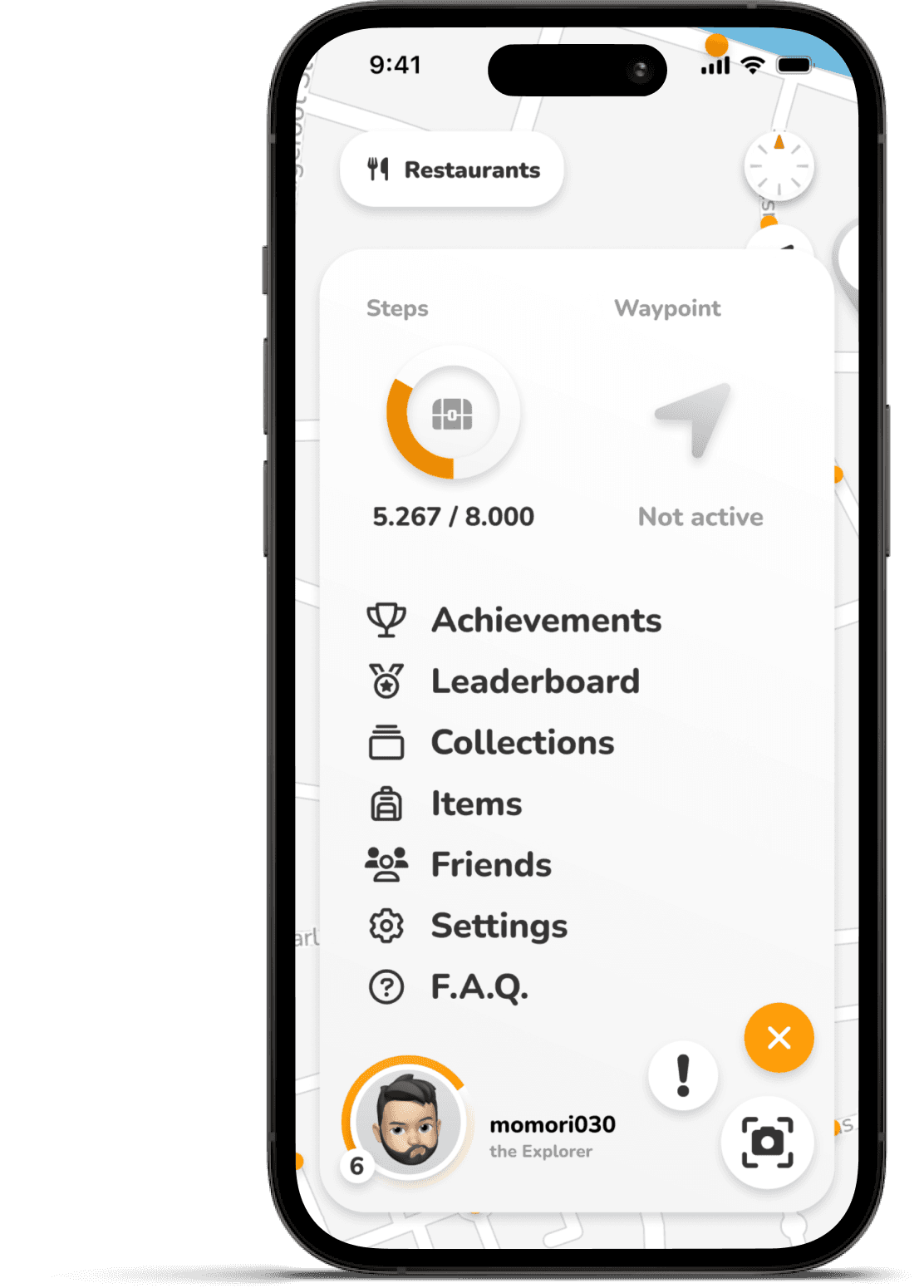
Personal
Discovery Paths
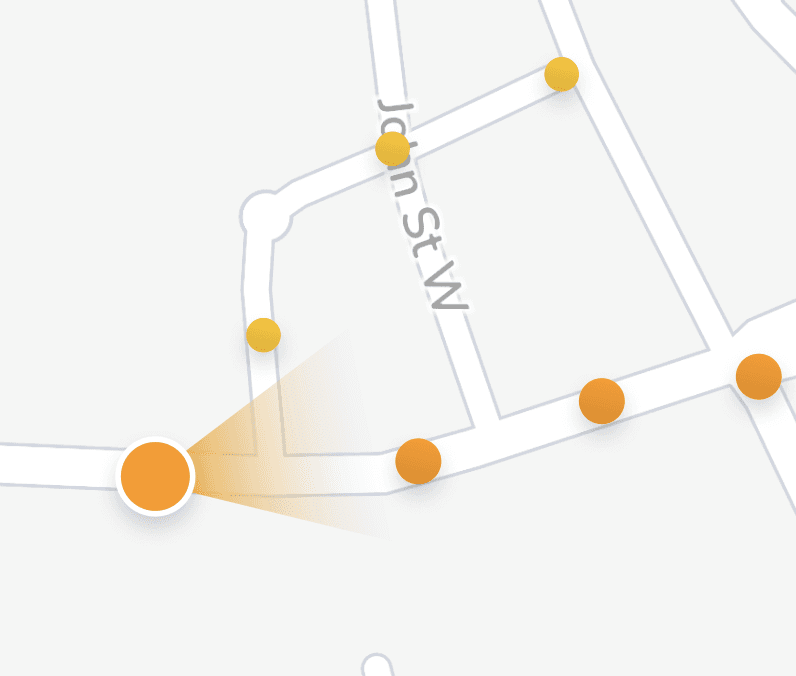
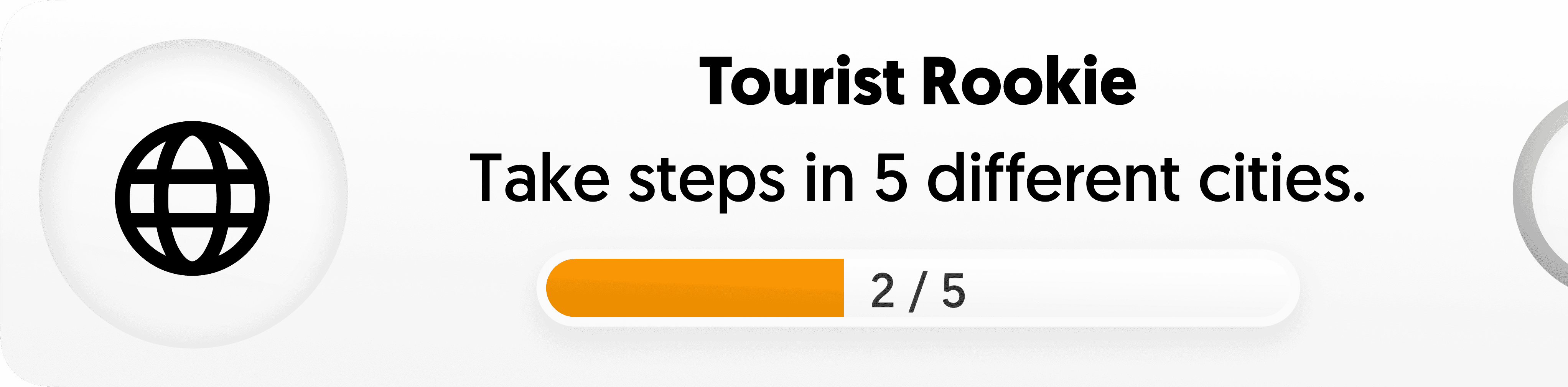
Leaderboards &
Achievements
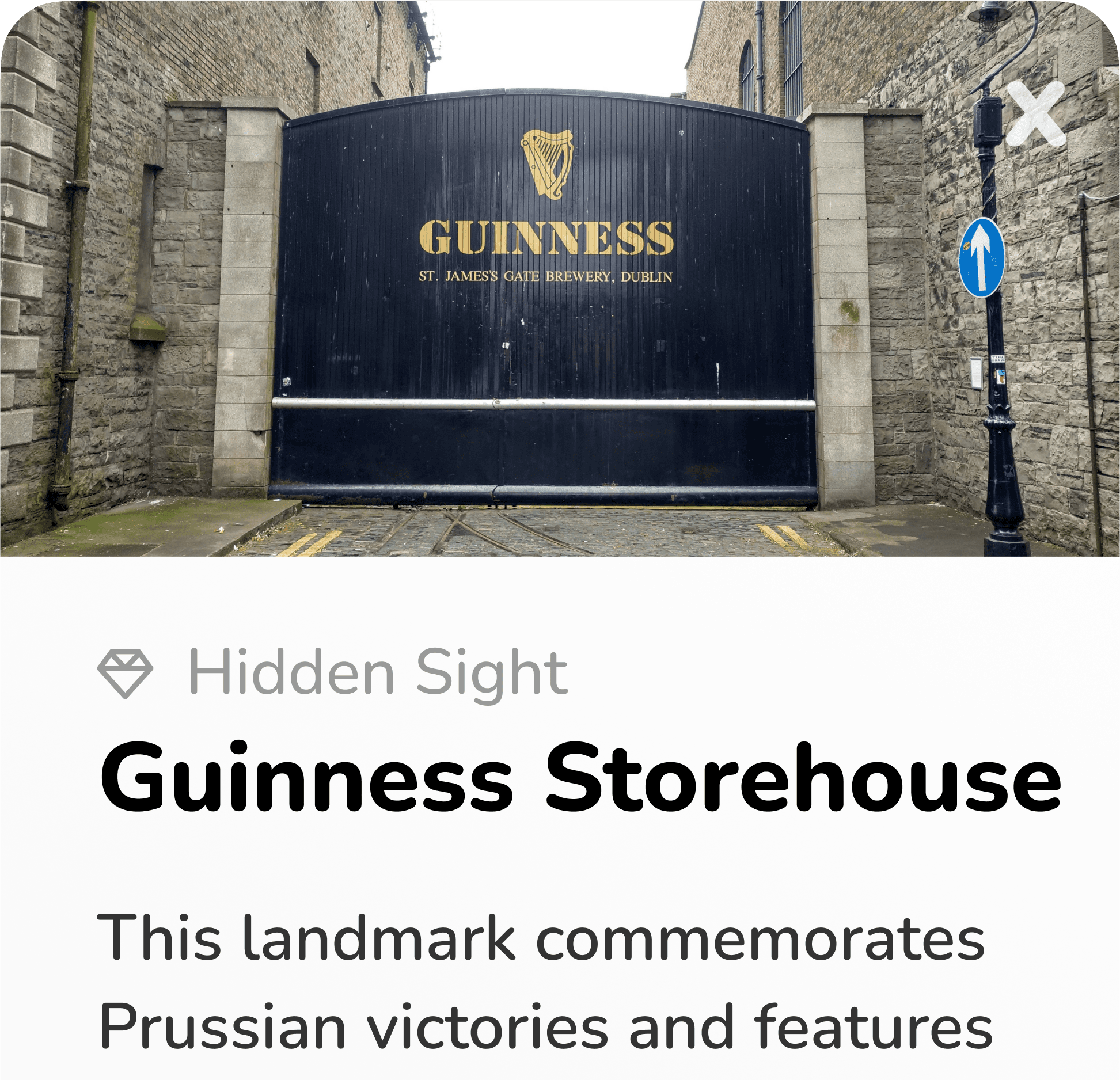
Augmented Reality
Exploration

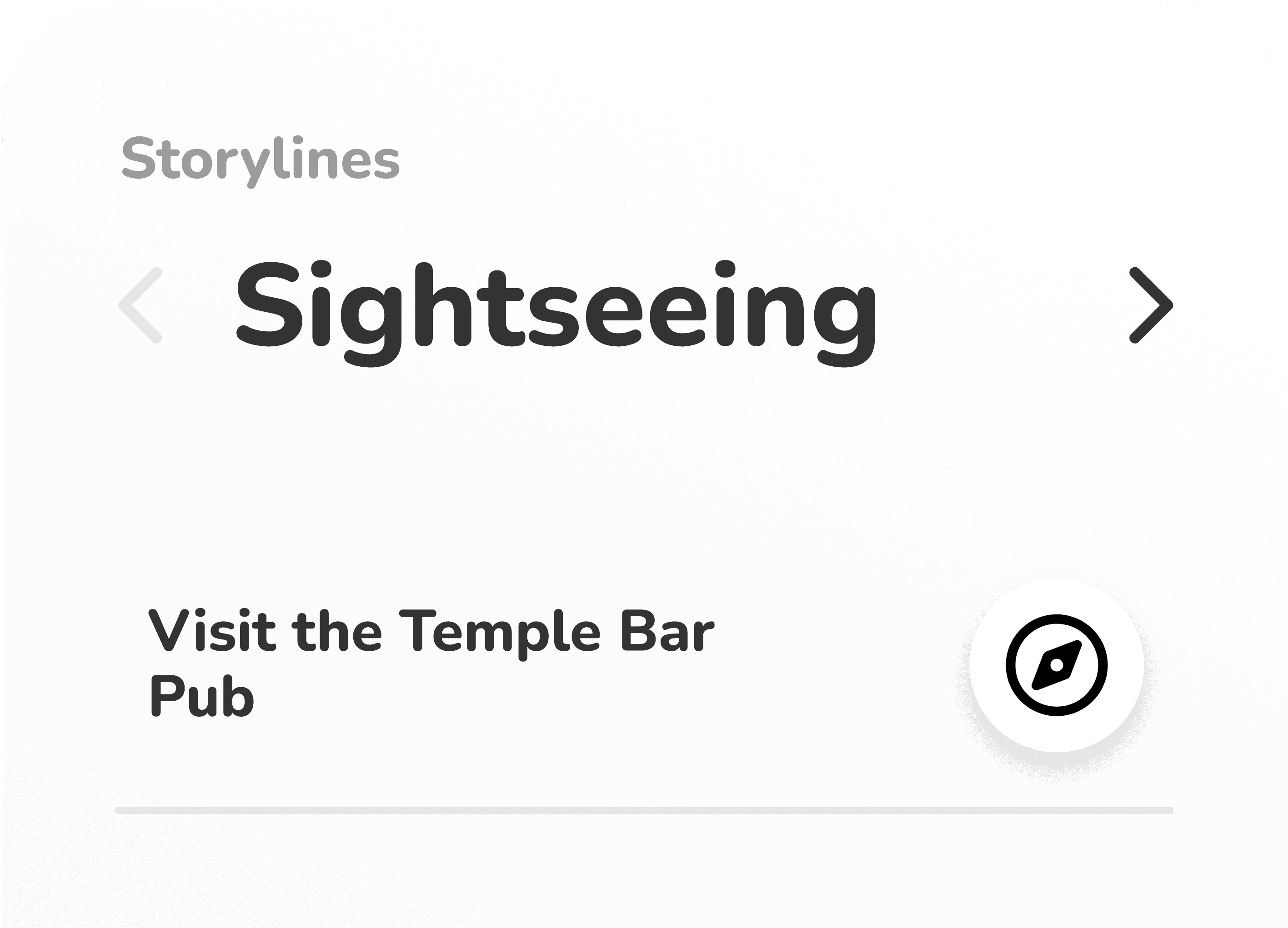
Storylines
Typeface
Friendly and modern, the clear readable design ensures users get info quickly, while its rounded style keeps the interaction fun and approachable.
Colors
Primary
#FF9900
Secondary
#FFC300
Tertiary
#999999
Text
#333333
Background
#F5F5F5
Pulse isn’t just about giving users directions or listing places to go—it’s about creating a journey that feels personal and interactive. By encouraging users to discover cities on their own terms, Pulse opens up the possibility of finding hidden gems and creating memories that can’t be planned. The goal is to make exploration feel effortless yet meaningful, shifting the focus from the phone screen to the real world.
In the future, Pulse has the potential to go even further. Expanding to more cities and regions globally will unlock new storylines and unique cultural experiences. Integration with wearables, like smartwatches, could make exploring even more seamless by reducing screen time, while more advanced AR features could bring cities’ histories and hidden details to life in ways that are both educational and immersive.